Dysautonomia is an umbrella term for disorders affecting the autonomic nervous system, the system that controls virtually every automatic function in your body. From heart rate to digestion, blood pressure to temperature regulation, when this system malfunctions, it can significantly impact quality of life. Learn about the different types, symptoms, underlying causes, and evidence-based natural approaches to support autonomic function.
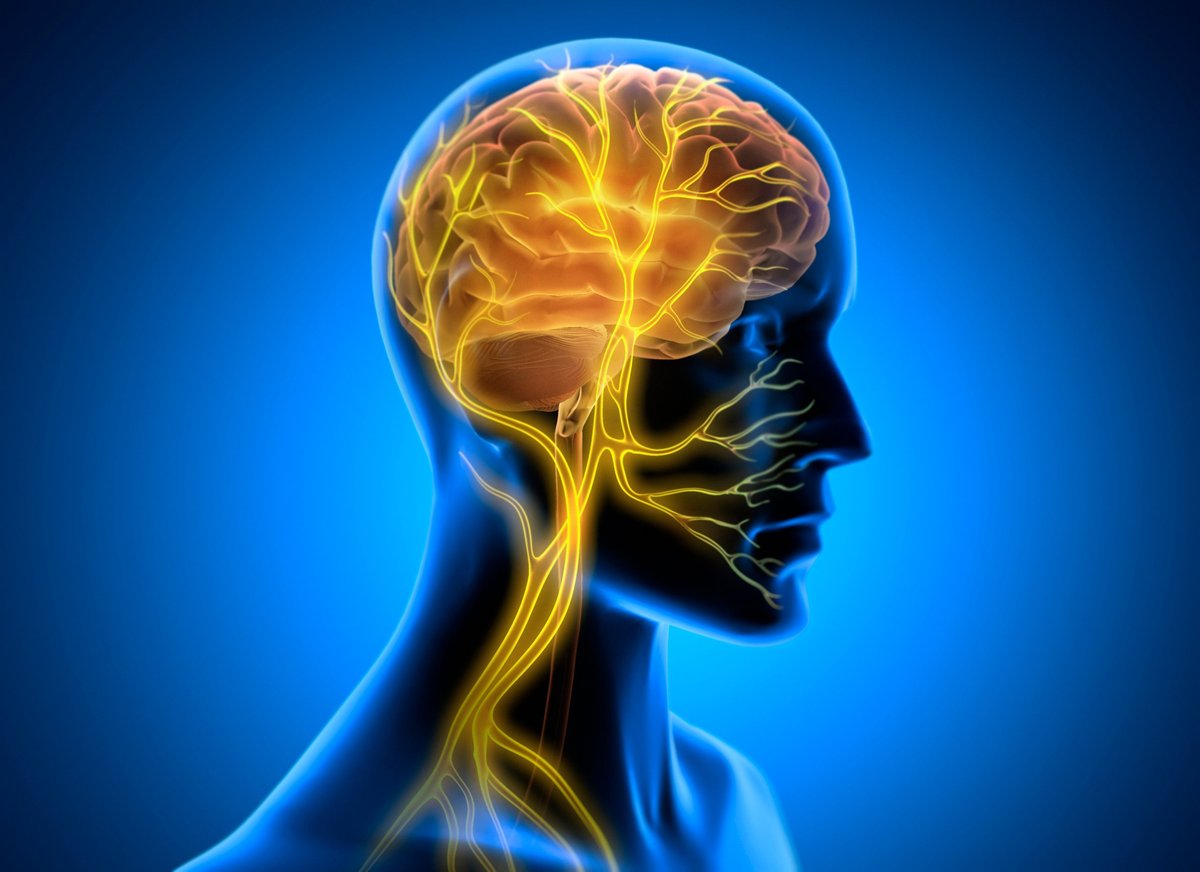
The vagus nerve plays a crucial role in the parasympathetic nervous system, one of the key components affected in dysautonomia.
Dysautonomia refers to a malfunction of the autonomic nervous system (ANS) - the part of your nervous system that regulates involuntary bodily functions. The ANS controls heart rate, blood pressure, respiration, digestion, body temperature, pupil dilation, and many other critical processes that happen without conscious thought.
When the autonomic nervous system doesn't function properly, it can lead to a wide range of symptoms that vary in severity. For some, symptoms are mild and manageable; for others, they can be debilitating and significantly affect daily life. Dysautonomia can occur as a primary condition or secondary to other diseases, medications, or environmental factors.
It's estimated that over 70 million people worldwide live with some form of dysautonomia, making it more common than many people realize. However, due to its wide-ranging symptoms, it often takes years for patients to receive an accurate diagnosis.
There are several distinct types of dysautonomia, each with its own characteristics and underlying mechanisms:
The most common form, characterized by symptoms that occur when standing and improve when lying down. Includes conditions like POTS (Postural Orthostatic Tachycardia Syndrome).
Also known as vasovagal syncope, this involves sudden drops in blood pressure leading to fainting episodes. Often triggered by stress, pain, or standing for prolonged periods.
Postural Orthostatic Tachycardia Syndrome causes an excessive heart rate increase when standing. Primarily affects young women and can significantly impact daily activities.
A rare, progressive form of dysautonomia that affects multiple body systems. Often associated with neurodegenerative conditions and requires specialized care.
Dysautonomia symptoms can vary widely depending on which part of the autonomic nervous system is affected. Symptoms may come and go or be constant, and their severity can range from mild to debilitating.
While many dysautonomia symptoms can be managed, seek emergency care if you experience: fainting with injury, chest pain, severe shortness of breath, sudden confusion, or symptoms following a head injury. These may indicate a more serious condition requiring immediate evaluation.
Dysautonomia can develop from various underlying causes. Understanding these triggers is essential for appropriate management and treatment. In many cases, dysautonomia results from a combination of factors rather than a single cause.
Autoimmune disorders can cause the immune system to attack nerve fibers, disrupting autonomic function. Common associations include:
Viral infections can trigger dysautonomia through direct nerve damage or post-infectious autoimmune responses. This has been particularly noted following:
Conditions that affect the brain and nervous system can impair autonomic regulation. These include Parkinson's disease, multiple sclerosis, traumatic brain injuries, and spinal cord injuries. The autonomic dysfunction may develop alongside or even precede other neurological symptoms.
From a naturopathic standpoint, dysautonomia often involves a combination of triggers that overwhelm the body's adaptive capacity. Identifying and addressing root causes, whether infection, toxicity, nutritional deficiency, or chronic stress - is fundamental to developing an effective treatment plan.
While conventional treatment focuses on symptom management with medications, naturopathic medicine takes a comprehensive approach that addresses underlying causes and supports the body's innate healing capacity. A personalized naturopathic protocol may include several supportive strategies.
Proper nutrition provides the foundation for nervous system health and autonomic function:
Several herbs have shown promise in supporting autonomic function and managing dysautonomia symptoms:
Ashwagandha, Rhodiola, Eleuthero: Help modulate stress response and support HPA axis function, potentially benefiting those with dysautonomia related to chronic stress.
Hawthorn, Motherwort, Beetroot: May support cardiovascular function and blood pressure regulation. Note: Use under professional guidance if on cardiac medications.
Valerian, Passionflower, Lemon Balm: Can support sleep quality and help manage anxiety associated with autonomic dysfunction.
Turmeric, Ginger, Boswellia: Address underlying inflammation that may contribute to autonomic dysfunction.
This article is for educational purposes only and does not constitute medical advice. Dysautonomia can be a serious medical condition requiring proper diagnosis and treatment by qualified healthcare professionals. Always consult with your primary healthcare provider before starting any new treatment protocol, especially if you have existing health conditions or are taking medications.
If you're struggling with symptoms of dysautonomia or want to take a proactive approach to supporting your autonomic nervous system, our naturopathic team is here to help. We offer comprehensive assessments and personalized treatment protocols tailored to your unique needs.
Virtual consultations available • Direct billing may be available • Initial assessments include comprehensive health history review