Found during an abdominal ultrasound, gallbladder polyps are surprisingly common, affecting 1 in 20 adults. Most are benign, but understanding which ones need monitoring and how to support your gallbladder naturally can make all the difference for your long-term health.
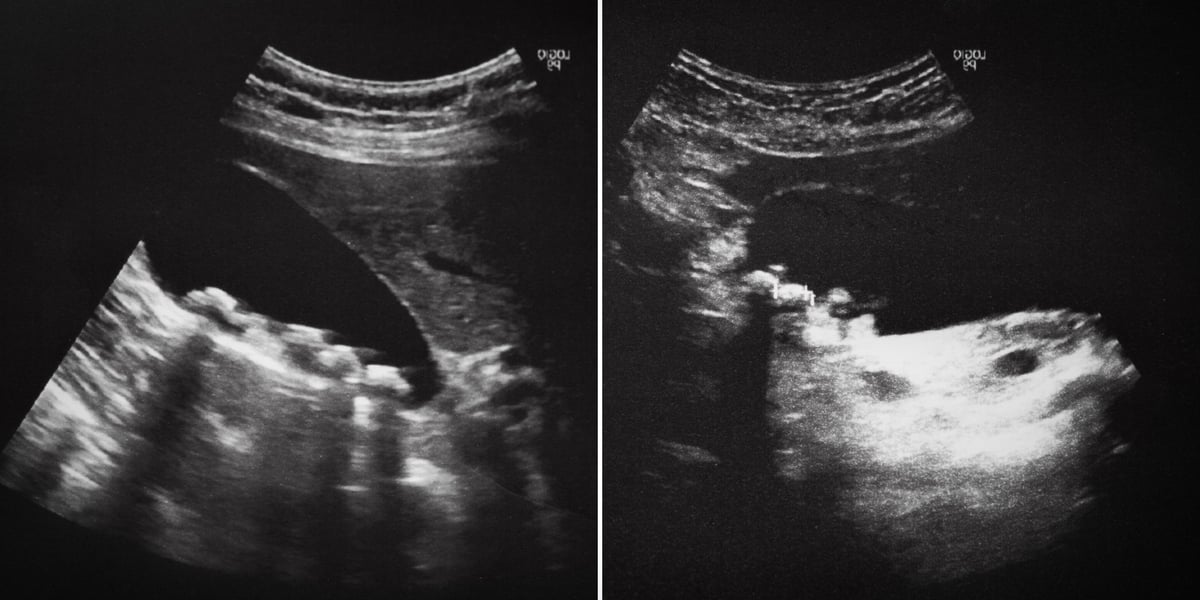
Gallbladder polyps are growths that protrude from the inner lining of the gallbladder wall. They are typically discovered incidentally during an abdominal ultrasound ordered for another reason. For many people, hearing the word "polyp" immediately raises concerns about cancer, but the reality is more reassuring: over 95% of gallbladder polyps are benign.
Still, certain types of polyps carry a risk of malignancy, and knowing what you are dealing with matters. This article explains the different types of gallbladder polyps, when they require surgical removal versus monitoring, and evidence-based naturopathic strategies to support gallbladder function and reduce risk factors.
The single most important factor in determining what to do about a gallbladder polyp is the type. Different polyp types have dramatically different risk profiles.
The most common type, accounting for 60 to 90% of all gallbladder polyps. These are not true neoplasms but deposits of cholesterol-laden macrophages in the gallbladder wall. They carry virtually no malignant potential. Cholesterol polyps often appear as multiple small polyps, usually under 5 mm in size.
These arise from chronic inflammation of the gallbladder wall, often in the setting of cholecystitis or gallstones. They are reactive, not cancerous, and typically resolve when the underlying inflammation is addressed. They account for approximately 5 to 10% of gallbladder polyps.
A benign condition involving thickening of the gallbladder wall with small cystic spaces. It can appear polyp-like on ultrasound. Current consensus considers adenomyomatosis to have minimal if any malignant potential, though it can cause gallbladder symptoms and is sometimes confused with more concerning lesions on imaging.
These are true neoplastic polyps with malignant potential, similar to colonic adenomas. They account for 4 to 5% of gallbladder polyps. Adenomatous polyps are more likely to be solitary and larger than 1 cm. They are the primary type that warrants surgical consideration, as the adenoma-to-carcinoma sequence can occur in the gallbladder just as it does in the colon.
The vast majority of gallbladder polyps are benign cholesterol polyps or inflammatory polyps. True adenomatous polyps, which carry cancer risk, represent a small minority. The challenge is that ultrasound alone cannot reliably distinguish between types, which is why size and growth rate become the determining factors for clinical decisions.
The decision to recommend cholecystectomy (gallbladder removal) for a polyp is based primarily on size, which serves as a proxy for the likelihood of malignancy. Current gastroenterology guidelines are fairly consistent worldwide.
| Polyp Size | Malignancy Risk | Recommendation |
|---|---|---|
| Under 6 mm | Negligible | No follow-up needed in most cases |
| 6 to 9 mm | Low (under 1%) | Ultrasound surveillance every 6 to 12 months |
| 10 mm or larger | Moderate (up to 10% in some studies) | Cholecystectomy generally recommended |
Beyond size, several factors raise concern and may lower the threshold for surgery:
The formation of gallbladder polyps is influenced by multiple factors, many of which overlap with gallstone risk factors. Understanding these drivers is essential because they are also the targets for naturopathic intervention.
Cholesterol polyps are strongly associated with dyslipidemia, particularly elevated LDL cholesterol and triglycerides. Insulin resistance promotes hepatic cholesterol synthesis and alters bile composition, increasing cholesterol saturation in the gallbladder. This is why gallbladder polyps and gallstones share a common metabolic foundation.
Chronic low-grade inflammation of the gallbladder wall, whether from gallstones, infection, or dietary irritants, drives the formation of inflammatory polyps and may contribute to the progression of adenomatous polyps. A diet high in processed foods, refined carbohydrates, and industrial seed oils perpetuates this inflammatory state.
The enterohepatic circulation of bile acids is tightly regulated by the gut microbiome. Dysbiosis, small intestinal bacterial overgrowth (SIBO), and increased intestinal permeability can alter bile acid composition and promote lithogenic (stone-forming) bile. The gut-liver axis is an emerging target in gallbladder disease prevention.
Estrogen increases cholesterol secretion into bile and slows gallbladder motility. This is why gallbladder polyps and gallstones are more common in women, particularly those who have been pregnant, use oral contraceptives, or are on hormone replacement therapy. Progesterone also reduces gallbladder contractility.
For the vast majority of people with small, benign-appearing gallbladder polyps that do not meet criteria for surgery, a watchful waiting approach combined with proactive lifestyle and nutritional strategies is the standard of care. Naturopathic medicine offers several evidence-informed approaches to support gallbladder health and potentially reduce risk factors that drive polyp formation.
Diet is the foundation of gallbladder health. The goal is to reduce inflammation, improve bile composition, and promote regular gallbladder emptying.
Several supplements have research supporting their role in gallbladder and biliary health. These should be used under professional guidance.
Milk Thistle (Silymarin)
Protects hepatocytes, supports phase II detoxification, and improves bile flow. Silymarin has antioxidant and anti-inflammatory effects in the biliary system. Research suggests it may reduce cholesterol saturation in bile.
Ursodeoxycholic Acid (UDCA)
A naturally occurring bile acid available as a prescription medication that reduces cholesterol saturation in bile and may have a protective effect on the gallbladder mucosa. Some studies show UDCA can reduce the size of cholesterol polyps. This requires a prescription and should be discussed with your gastroenterologist.
Turmeric (Curcumin)
A potent anti-inflammatory that stimulates bile production (choleretic effect) and gallbladder contraction. Curcumin has been shown to improve bile composition and reduce markers of gallbladder inflammation in preclinical research.
Omega-3 Fatty Acids
EPA and DHA reduce systemic inflammation and improve lipid profiles. Higher omega-3 intake is associated with a more favourable bile acid profile. Fish oil or algae-based supplements can be considered as part of a comprehensive anti-inflammatory protocol.
Given the strong link between metabolic syndrome, insulin resistance, and gallbladder polyp formation, addressing these underlying factors is one of the most impactful naturopathic strategies. Gradual weight loss through sustainable dietary change, regular physical activity, and stress management improves insulin sensitivity and bile composition. Importantly, rapid weight loss (over 1.5 kg per week) can paradoxically increase gallstone risk, so slow and steady is key. A target of 0.5 to 1 kg per week is safe and sustainable.
If you have been diagnosed with a gallbladder polyp, the uncertainty can be unsettling. At MARM Health, our naturopathic doctors take a thorough, evidence-informed approach to gallbladder health that complements your gastroenterologist's monitoring plan.
We review your ultrasound report, lab work, and medical history in detail, helping you understand exactly what type of polyp you likely have and what your individual risk profile looks like.
We assess the drivers: lipid panels, insulin and glucose metabolism, inflammatory markers, liver function, and hormonal status. Identifying and treating the root metabolic factors is the cornerstone of naturopathic gallbladder care.
We design a realistic, sustainable dietary protocol that supports healthy bile composition, reduces inflammation, improves insulin sensitivity, and promotes regular gallbladder emptying without triggering symptoms. Targeted supplements are selected based on your specific lab results and risk factors.
We help you stay on track with appropriate ultrasound surveillance intervals and coordinate care with your gastroenterologist, ensuring that your naturopathic plan works alongside, not against, your conventional medical care.
A gallbladder polyp diagnosis does not have to mean living with uncertainty. At MARM Health, our naturopathic doctors work with you and your gastroenterologist to develop a comprehensive plan that addresses root causes, supports gallbladder function, and gives you peace of mind.
PHIPA-compliant | Virtual across Ontario | No referral needed