A Parkinson's diagnosis brings many questions. While there is no cure, a growing body of research shows that nutrition, targeted supplementation, exercise, and stress management can meaningfully support brain health and quality of life alongside conventional care.
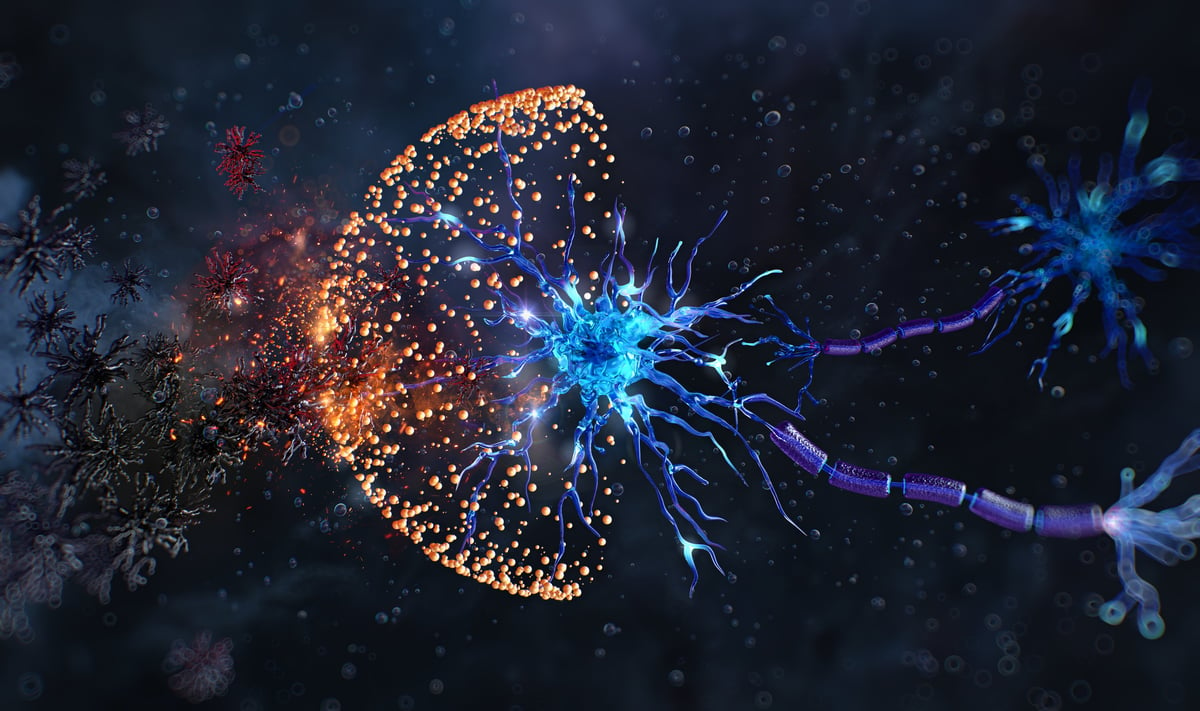
Parkinson's disease affects approximately 100,000 Canadians and over 10 million people worldwide, making it the second most common neurodegenerative disorder after Alzheimer's. While the diagnosis can feel overwhelming, it is important to understand that Parkinson's is not a single entity. It is a highly individual condition that progresses differently in each person.
This article provides an overview of what Parkinson's is, how it is diagnosed and treated conventionally, and, most importantly, the evidence-based naturopathic approaches that may support brain health, manage symptoms, and help you live well with Parkinson's.
Parkinson's disease is a progressive neurodegenerative disorder that primarily affects movement. At its core, Parkinson's involves the gradual loss of dopamine-producing neurons in a region of the brain called the substantia nigra. Dopamine is a neurotransmitter essential for smooth, coordinated muscle movement. When dopamine levels drop below a certain threshold (typically after 60 to 80% of these neurons have been lost), the motor symptoms of Parkinson's become apparent.
However, Parkinson's is much more than a movement disorder. The same underlying pathology, involving abnormal accumulation of a protein called alpha-synuclein, affects multiple systems in the body. This is why people with Parkinson's often experience non-motor symptoms such as constipation, loss of smell, sleep disturbances, mood changes, and cognitive difficulties, sometimes years before the classic tremor appears.
The exact cause of Parkinson's remains unknown, but research points to a combination of genetic susceptibility and environmental triggers. Factors such as exposure to certain pesticides, heavy metals, and industrial chemicals have been linked to increased risk. Chronic inflammation, mitochondrial dysfunction, and oxidative stress are all believed to play central roles in the neurodegenerative process.
Parkinson's is not simply a dopamine deficiency. It is a complex, multi-system condition involving inflammation, oxidative stress, mitochondrial dysfunction, and protein aggregation. This complexity is why a holistic, integrative approach (combining conventional neurology with naturopathic support) can be so valuable.
Parkinson's symptoms are traditionally divided into motor (movement-related) and non-motor categories. Both significantly impact quality of life, and non-motor symptoms often cause the most distress even though they receive less attention.
Notably, non-motor symptoms often precede the motor symptoms by years, sometimes decades. Constipation and loss of smell, in particular, are now recognized as potential early warning signs. This prodromal phase represents a window of opportunity where lifestyle and naturopathic interventions may be especially impactful.
The cornerstone of conventional Parkinson's treatment is levodopa (L-DOPA), typically combined with carbidopa (Sinemet). Levodopa is a precursor to dopamine that can cross the blood-brain barrier, where it is converted into dopamine to replenish what has been lost. For most patients, levodopa provides significant relief from motor symptoms, particularly in the early and middle stages of the disease.
Other medication classes include dopamine agonists (pramipexole, ropinirole), MAO-B inhibitors (selegiline, rasagiline), and COMT inhibitors (entacapone). Each has a role at different stages, and treatment is highly individualized based on symptoms, age, and tolerability.
Deep brain stimulation (DBS) is a surgical option for selected patients whose symptoms are no longer adequately controlled by medication. It involves implanting electrodes in specific brain regions to modulate abnormal neural activity.
While these treatments can dramatically improve quality of life, they do not slow disease progression. They also come with side effects. Levodopa can cause dyskinesias (involuntary movements) and "on-off" fluctuations over time, and dopamine agonists carry risks of impulse control disorders.
Naturopathic care does not replace conventional Parkinson's treatment. Instead, it works alongside it, supporting mitochondrial health, reducing neuroinflammation, optimizing nutrition for medication effectiveness, managing non-motor symptoms, and protecting remaining dopamine neurons through lifestyle and targeted supplementation.
One of the most significant paradigm shifts in Parkinson's research over the past decade is the recognition that Parkinson's may, in many cases, begin in the gut. The "gut-first" hypothesis proposes that alpha-synuclein pathology originates in the enteric nervous system (the gut's own neural network) and spreads to the brain via the vagus nerve.
This theory helps explain why constipation is often the earliest symptom of Parkinson's, appearing up to 20 years before motor symptoms. It also explains why people who have had truncal vagotomy (cutting of the vagus nerve) appear to have a reduced risk of developing Parkinson's.
The gut microbiome also plays a crucial role. Research shows that people with Parkinson's have distinct gut microbiome alterations, including reduced diversity and lower levels of beneficial short-chain fatty acid-producing bacteria. These changes can increase intestinal permeability (leaky gut), promote systemic inflammation, and potentially accelerate the spread of alpha-synuclein pathology.
This gut-brain connection opens up powerful therapeutic opportunities that conventional neurology rarely addresses, and it is one of the areas where naturopathic medicine has the most to offer.
While no natural therapy can reverse Parkinson's, a growing body of research identifies several evidence-based strategies that may protect neurons, support mitochondrial function, reduce oxidative stress, and improve quality of life.
The Mediterranean and MIND diets have shown protective associations with Parkinson's risk and progression. These dietary patterns emphasize vegetables, fruits, whole grains, legumes, nuts, olive oil, and fatty fish while minimizing processed foods, refined sugar, and industrial seed oils.
Of particular interest is the ketogenic diet. Because mitochondrial dysfunction is central to Parkinson's pathology, some researchers believe ketones may provide an alternative fuel source for energy-compromised neurons. Small clinical trials have shown improvements in both motor and non-motor symptoms with ketogenic interventions, though more research is needed.
An important practical consideration: dietary protein can interfere with levodopa absorption. Many patients benefit from taking levodopa 30-60 minutes before meals and concentrating protein intake later in the day, a strategy called protein redistribution.
If there is one intervention with the strongest evidence for slowing Parkinson's progression, it is exercise. Multiple studies show that regular, intensive exercise improves motor function, balance, gait, and quality of life. There is even evidence that exercise increases brain-derived neurotrophic factor (BDNF), a protein that supports the survival of existing neurons and encourages the growth of new ones.
Different types of exercise offer different benefits. Aerobic exercise improves cardiovascular fitness and may enhance neuroplasticity. Resistance training preserves muscle mass and functional strength. Balance-focused practices like tai chi and yoga reduce fall risk. Boxing-based programs like Rock Steady Boxing have become popular for their combination of coordination, strength, and community support.
The key is consistency and intensity, and finding activities you genuinely enjoy. Even 30 minutes of brisk walking daily has measurable benefits.
Several supplements have been studied in the context of Parkinson's and show varying degrees of promise. It is critical to work with a knowledgeable practitioner, as some supplements can interact with Parkinson's medications.
Coenzyme Q10 (CoQ10)
A critical component of the mitochondrial electron transport chain. People with Parkinson's show reduced CoQ10 levels, and supplementation may support cellular energy production, though large clinical trials have been mixed.
N-Acetylcysteine (NAC)
A precursor to glutathione, the body's master antioxidant. NAC has shown promise for reducing oxidative stress in the brain and may have mild benefits for dopamine function.
Vitamin D
Low vitamin D levels are common in Parkinson's and associated with greater symptom severity. Vitamin D has neuroprotective properties and supports immune regulation in the brain.
Omega-3 Fatty Acids
DHA, in particular, is highly concentrated in neuronal membranes and has anti-inflammatory effects in the brain. Higher omega-3 intake is associated with reduced risk of Parkinson's and potentially slower progression.
Mucuna Pruriens (Velvet Bean)
A tropical legume that naturally contains levodopa. Some studies suggest it may have a more favorable side effect profile than synthetic levodopa, though quality and dosing can vary between products.
Non-motor symptoms are often the most distressing aspect of Parkinson's for both patients and caregivers. Naturopathic medicine offers a range of tools to address these symptoms without adding more medications.
Melatonin (1-3 mg) for REM sleep behavior disorder. Magnesium glycinate before bed for muscle relaxation and sleep quality. Consistent sleep hygiene and morning light exposure to support circadian rhythms.
Increased fiber from vegetables and flaxseed. Magnesium citrate for gentle bowel stimulation. Probiotics to support gut motility. Adequate hydration: aim for 1.5 to 2 litres of water daily. Abdominal massage and movement.
Depression affects up to 50% of people with Parkinson's. Saffron extract has evidence for mild-to-moderate depression. Omega-3s support mood regulation. Mindfulness-based stress reduction and cognitive behavioral therapy are well-studied non-pharmacological approaches.
Lion's mane mushroom for nerve growth factor stimulation. Phosphatidylserine for neuronal membrane integrity. Cognitive engagement through puzzles, learning new skills, and social interaction. Physical exercise is one of the strongest cognitive protectors.
The link between environmental toxins and Parkinson's is one of the strongest in neurodegenerative research. Pesticides like paraquat and rotenone are known to damage dopamine neurons. Industrial solvents such as trichloroethylene (TCE) have been implicated in cluster outbreaks. Heavy metals, including manganese and lead, can accumulate in the brain and contribute to oxidative damage.
While you cannot undo past exposures, supporting your body's natural detoxification pathways is a rational strategy. The liver's phase I and phase II detoxification pathways process and eliminate many of these compounds. Nutritional support for these pathways includes:
At MARM Health, our naturopathic approach to Parkinson's is guided by the principle of integrative care: we work alongside your neurologist and healthcare team, never against them. Our goal is to fill the gaps that conventional care often leaves unaddressed.
A typical naturopathic support plan for Parkinson's may include:
Detailed review of medical history, environmental exposures, digestive health, nutritional status, and current medications to identify modifiable factors affecting disease progression.
Comprehensive digestive stool analysis, food sensitivity testing, nutritional status panels (vitamin D, B12, CoQ10, ferritin), inflammatory markers, and environmental toxin screening when indicated.
Anti-inflammatory dietary protocols designed to support mitochondrial health, optimize medication timing with protein intake, heal the gut lining, and address any food sensitivities or nutritional deficiencies.
Carefully selected supplements based on your individual lab results and symptom profile, with close attention to potential interactions with Parkinson's medications.
Customized exercise recommendations, sleep hygiene protocols, mindfulness practices, and strategies for managing the emotional impact of living with a chronic neurodegenerative condition.
Living with Parkinson's is a journey that requires a team. At MARM Health, our naturopathic doctors work alongside your neurologist to provide comprehensive, evidence-based support that addresses the whole person, not just the dopamine deficiency.
PHIPA-compliant • Virtual across Ontario • No referral needed