Peptides are one of the fastest-growing areas in integrative medicine. From injury recovery to longevity, these tiny protein fragments are generating massive interest. Here is what you need to know about what they are, how they work, and how naturopathic doctors at MARM Health can support your health alongside peptide therapy.
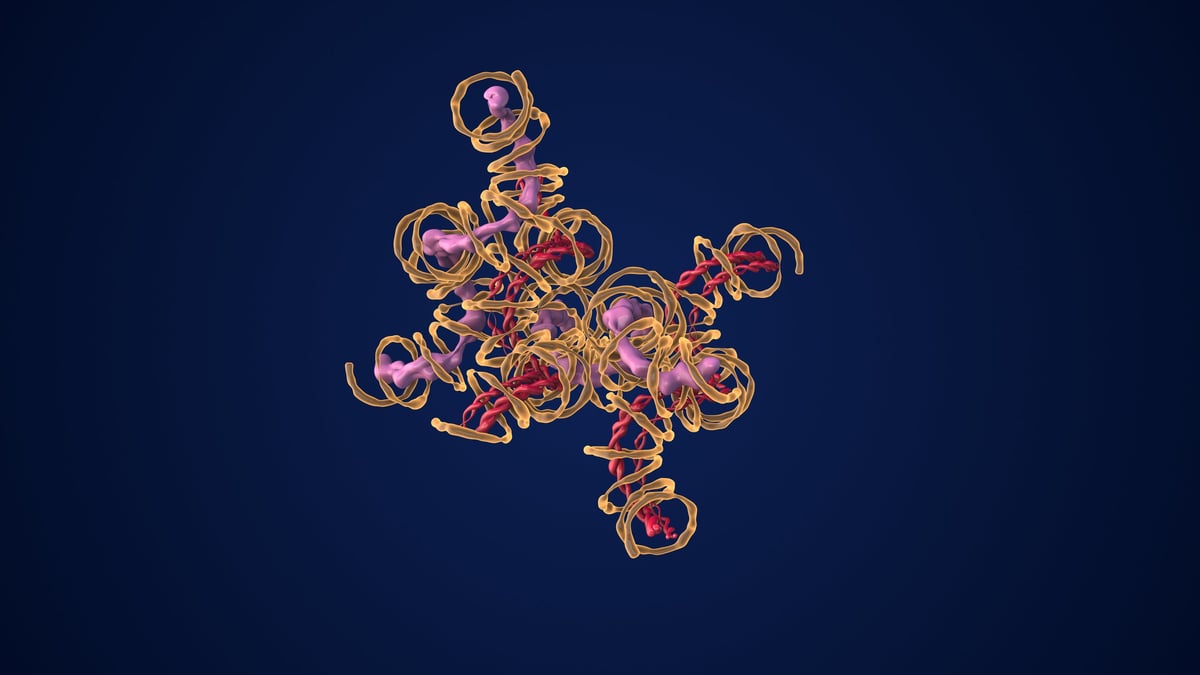
If you have spent any time in health and wellness circles lately, you have probably heard the buzz around peptide therapy. Athletes are using them for recovery. Biohackers swear by them for longevity. Functional medicine practitioners are exploring them for everything from gut healing to cognitive support. But what actually are peptides, and is there real science behind the hype?
This article breaks down what peptide therapy is, how it works in the body, which peptides have the strongest evidence, what the safety considerations are, and how naturopathic doctors at MARM Health support patients who are using or considering peptide therapy as part of a comprehensive care strategy.
Peptides are short chains of amino acids, the same building blocks that make up proteins. The difference is size. While proteins can contain hundreds or even thousands of amino acids, peptides are smaller, typically made up of 2 to 50 amino acids linked together. This smaller size allows them to be absorbed more easily by the body and to perform very specific signaling functions.
Think of proteins as full instruction manuals, and peptides as the individual commands within those manuals. When a peptide enters the body, it can deliver a precise message: "repair this tissue," "reduce inflammation here," or "stimulate collagen production now." This targeted signaling is what makes peptides so interesting from a therapeutic standpoint.
Your body already produces thousands of peptides naturally. Insulin, for example, is a peptide hormone. Growth hormone is another. Glutathione, one of your body's most powerful antioxidants, is a tripeptide made of three amino acids. The idea behind peptide therapy is to supplement or enhance these natural signaling systems to achieve specific therapeutic outcomes.
Peptides are not foreign chemicals. They are bioidentical molecules that mimic what your body already produces. This is part of why they tend to have favorable safety profiles when used correctly, compared to synthetic pharmaceuticals that work through entirely different mechanisms.
Peptides are not new. Scientists have been studying them for decades, and some peptides like insulin have been used clinically for over a century. So why the sudden surge in interest?
Several factors have converged to push peptide therapy into the mainstream. Advances in peptide synthesis technology have made production more affordable and reliable than ever before. The rise of functional and regenerative medicine has created demand for treatments that work with the body's natural processes rather than overriding them. And the growing interest in longevity and healthspan optimization has put peptides squarely in the spotlight as tools for slowing biological aging.
Social media and podcast culture have also played a significant role. High-profile figures in the health optimization space, from Joe Rogan to Andrew Huberman, have discussed peptides extensively on their platforms. This exposure has driven enormous public curiosity. Google Trends data shows searches for "peptide therapy" have more than tripled since 2020.
At the same time, the research is genuinely advancing. New clinical trials are being published regularly, and the scientific understanding of how specific peptides interact with cellular pathways is deepening. This is not just wellness industry hype. There is real science unfolding, and the potential applications are broad.
To understand how peptides work, it helps to understand how cells communicate. Your cells are constantly sending and receiving signals. Some of these signals tell cells to divide. Others tell them to repair damage. Others regulate inflammation or trigger apoptosis, which is programmed cell death that clears out damaged cells.
Many of these signals are mediated by peptides binding to specific receptors on cell surfaces. It is a lock-and-key system. When the right peptide fits into the right receptor, it triggers a cascade of events inside the cell. Therapeutic peptides work by supplementing or amplifying these natural signaling pathways.
Because peptides are so specific in their action, they tend to have fewer off-target effects than many conventional medications. A painkiller might affect multiple systems in the body. A peptide designed to reduce inflammation in the gut generally does just that, because it only binds to receptors involved in that specific pathway.
Peptides can be administered in several ways. Injectable forms (subcutaneous or intramuscular) are most common for therapeutic use because peptides are easily broken down by stomach acid if taken orally. Some peptides are available as oral formulations, nasal sprays, or topical creams, depending on their stability and intended target.
Tissue Repair
Stimulating angiogenesis (new blood vessel formation), fibroblast migration, and collagen synthesis.
Immune Modulation
Balancing inflammatory responses without suppressing immune function entirely.
Cellular Signaling
Triggering specific receptor-mediated pathways involved in growth, repair, and metabolism.
Neuroprotection
Supporting neuronal survival, synaptic plasticity, and reducing neuroinflammation.
There are dozens of peptides being studied for therapeutic use. Here are the ones with the most compelling evidence and the most common clinical applications in naturopathic and integrative medicine.
BPC-157 is a synthetic peptide derived from a protein found in human gastric juice. It has earned a reputation as one of the most versatile healing peptides available. Research suggests it accelerates the healing of tendons, ligaments, muscles, and bones. It also appears to protect the gastrointestinal lining and support gut barrier integrity.
The mechanism behind BPC-157's effects involves promoting angiogenesis, the formation of new blood vessels, which is essential for tissue repair. It also modulates nitric oxide production and influences growth factor signaling pathways involved in wound healing.
Commonly used for:
GHK-Cu is a naturally occurring copper peptide that declines significantly with age. At age 20, you have abundant GHK-Cu circulating in your blood. By age 60, levels have dropped by roughly 60 percent. This peptide is involved in wound healing, collagen production, immune function, and even gene expression related to tissue remodeling.
Research on GHK-Cu is extensive, with over 30 years of published studies. It has been shown to stimulate collagen and elastin production in the skin, making it popular in regenerative aesthetics. It also has anti-inflammatory properties and appears to support hair follicle health and reduce oxidative damage at the cellular level.
One of the most interesting findings about GHK-Cu is its ability to reset gene expression patterns in aging tissue back toward a more youthful profile. Studies suggest it can upregulate genes involved in repair and downregulate genes associated with inflammation and degeneration.
Commonly used for:
Thymosin Beta-4 is a peptide naturally produced in the thymus gland. It plays a critical role in tissue repair, cell migration, and reducing inflammation. The synthetic version, often called TB-500, has gained significant attention in sports medicine and regenerative therapy.
This peptide promotes actin polymerization, which is essential for cell movement and structure. In the context of injury, this means it helps repair cells migrate to damaged tissue more effectively. It also reduces chronic inflammation and appears to protect neurons and cardiac cells from damage.
Commonly used for:
No discussion of trending peptides would be complete without mentioning semaglutide (Ozempic, Wegovy) and tirzepatide (Mounjaro, Zepbound). These GLP-1 receptor agonists are technically peptides that have transformed the landscape of metabolic health and weight management. They work by mimicking the body's natural GLP-1 hormone, which regulates appetite, slows gastric emptying, and improves insulin sensitivity.
While these medications have been studied extensively and have strong safety data when prescribed appropriately, they are not without risks. Side effects can include nausea, vomiting, and in rare cases, pancreatitis or gallbladder issues. They are prescription medications that require proper medical oversight and should not be obtained from unregulated sources.
Important note:
Semaglutide and tirzepatide are Health Canada approved prescription medications that must be prescribed by a licensed physician. At MARM Health, our naturopathic doctors support patients who are on these medications by providing nutritional guidance, lifestyle optimization, and root-cause strategies to enhance treatment outcomes and manage side effects.
The enthusiasm around peptide therapy is understandable, but it is important to approach it with clear eyes. Not all peptides are created equal, and the regulatory landscape can be confusing.
Source quality is everything.
Peptides should only be obtained through licensed compounding pharmacies or regulated pharmaceutical channels. Unregulated online sources pose significant risks including contamination, incorrect dosing, and counterfeit products.
Proper medical oversight is not optional.
Peptide therapy should always be managed by a licensed medical physician who can prescribe and monitor these treatments. Self-prescribing peptides based on online forums is dangerous. Naturopathic doctors can play an important supportive role by helping manage side effects, optimizing nutrition, and addressing underlying health factors that may influence treatment outcomes.
Side effects exist.
While peptides generally have favorable safety profiles, they are not side-effect free. Injection site reactions, gastrointestinal symptoms, fatigue, and in some cases more serious effects can occur. Any new therapy should be started under supervision.
Not all peptides are legal everywhere.
The regulatory status of specific peptides varies by country and is evolving. Some peptides are approved as medications while others are classified as research chemicals. At MARM Health, we provide educational information about peptides and support patients who are using physician-prescribed peptide therapy by addressing nutrition, lifestyle, and underlying health factors to optimize treatment outcomes.
It is also worth noting that not all peptides have the same depth of evidence behind them. Some, like BPC-157, have extensive animal data but limited human clinical trials. Others, like the GLP-1 agonists, have been studied in large randomized controlled trials. Part of the role of a knowledgeable naturopathic doctor is helping you understand which peptides have the evidence, so you can have informed conversations with your prescribing physician about your particular situation.
While naturopathic doctors in Ontario do not prescribe peptides, they play a valuable role in supporting patients who are using or considering physician-prescribed peptide therapy. At MARM Health, our naturopathic approach focuses on optimizing the terrain so that any treatment, including peptide therapy, has the best possible foundation to work on.
Here is how we support patients on peptide therapy. We begin with a thorough assessment, reviewing your health history, current symptoms, lab work, and in many cases, functional testing to understand the underlying physiology. We help manage side effects, optimize nutrition and lifestyle to support treatment goals, and address root causes that may be contributing to your health concerns.
Our goal is to work alongside your prescribing physician to create a comprehensive care strategy. This includes targeted nutrition, lifestyle optimization, supplementation where appropriate, and ongoing monitoring of your progress. The goal is not to chase trends. The goal is to address root causes and ensure any therapy you pursue is supported by a strong foundation.
Some peptides are approved by Health Canada as prescription medications, such as semaglutide (Ozempic) and teriparatide. These must be prescribed by a licensed physician. Other peptides like BPC-157 and GHK-Cu are not approved by Health Canada and exist in a regulatory gray area. At MARM Health, we provide educational information about peptides and support patients who are on physician-prescribed peptide therapy. We do not recommend or endorse obtaining peptides from unregulated online sources.
Most therapeutic peptides are administered via subcutaneous injection, similar to how insulin is injected. This is because peptides are sensitive to stomach acid and would be broken down before reaching the bloodstream if taken orally. Some peptides are available as oral capsules, nasal sprays, or topical creams, depending on their molecular structure and intended target. Your prescribing physician will determine the most appropriate route of administration for your specific treatment plan.
The timeline varies significantly depending on the peptide, the condition being treated, and individual factors. For acute injury recovery with BPC-157, some patients report noticeable improvements within 2 to 4 weeks. For skin rejuvenation with GHK-Cu, changes develop more gradually over 2 to 3 months. For metabolic peptides like semaglutide, effects on appetite and blood sugar can begin within days. Your practitioner will discuss realistic expectations based on your specific protocol.
Coverage depends on your specific insurance plan and the peptide being prescribed. Health Canada approved medications like semaglutide may be covered under some drug plans when prescribed by a physician. Naturopathic services such as nutritional counseling and lifestyle support related to peptide therapy may be covered if your plan includes naturopathic care. We recommend checking with your insurance provider. Our team can help provide the documentation you need.
Yes, and this is where naturopathic support is especially valuable. Naturopathic doctors can integrate nutrition plans, targeted supplementation, and lifestyle interventions alongside physician-prescribed peptide therapy. For example, someone recovering from a sports injury on BPC-157 may benefit from physiotherapy, anti-inflammatory nutrition, and specific nutrients that support collagen synthesis. The key is that all treatments are coordinated across your care team for the best outcomes.
The most successful peptide therapy outcomes we see are in patients who view peptides as one component of a comprehensive health strategy, not a quick fix. When combined with proper nutrition, adequate sleep, stress management, and movement, results tend to be far better. When used in isolation without addressing the fundamentals, outcomes are often disappointing. The peptide does not replace the foundation. It builds on it. This is exactly where naturopathic support adds the most value.
Our naturopathic doctors provide comprehensive support for your health journey. Whether you are currently on physician-prescribed peptide therapy or simply exploring your options, we will help you build a strong foundation with nutrition, lifestyle, and root-cause care.